
- Finance Act 2026 introduces stricter tax compliance, faster reporting deadlines, and expanded KRA enforcement powers affecting Saccos.
- Saccos warn the changes could strain liquidity, increase compliance costs, and disrupt lending and member access to savings.
- KUSCCO is pushing for tax law amendments to protect co operative members and harmonise taxation with the Co operative Societies Act.
Savings and Credit Co-operative Organisations (Saccos) have raised concern over sweeping provisions in the Finance Act 2026 that they say will significantly increase tax compliance pressure, tighten regulatory oversight, and expose member funds to liquidity risks amid expanded enforcement powers by the Kenya Revenue Authority (KRA).
The changes, which take effect in the 2026/27 financial year, introduce stricter withholding tax enforcement through digital systems, faster reporting timelines, and deeper integration of Sacco financial data into KRA’s e-TIMS platform.
The reforms are aimed at improving tax compliance and curbing revenue leakages, but stakeholders argue they could strain co-operative operations.
However, the Finance Act 2026 also introduces a significant relief measure for lenders. It exempts Saccos, banks, and other financial institutions from Value Added Tax (VAT) on the sale or disposal of repossessed collateral. The amendment classifies loan recovery transactions as part of exempt financial services, ending a long-standing dispute with KRA over whether such sales should attract VAT.
Under the new framework, Saccos will be required to remit withholding tax on member deposit interest within shorter timelines, supported by pre-populated returns generated through bank and Sacco data integration.
READ:
Key sectors push revenue to Sh2.8 trillion as KRA records strongest growth in recent years
The Kenya Union of Savings and Credit Co-operatives (KUSCCO) has warned that while the reforms may improve compliance, they also increase operational pressure, particularly for smaller and rural-based Saccos that lack advanced digital systems.
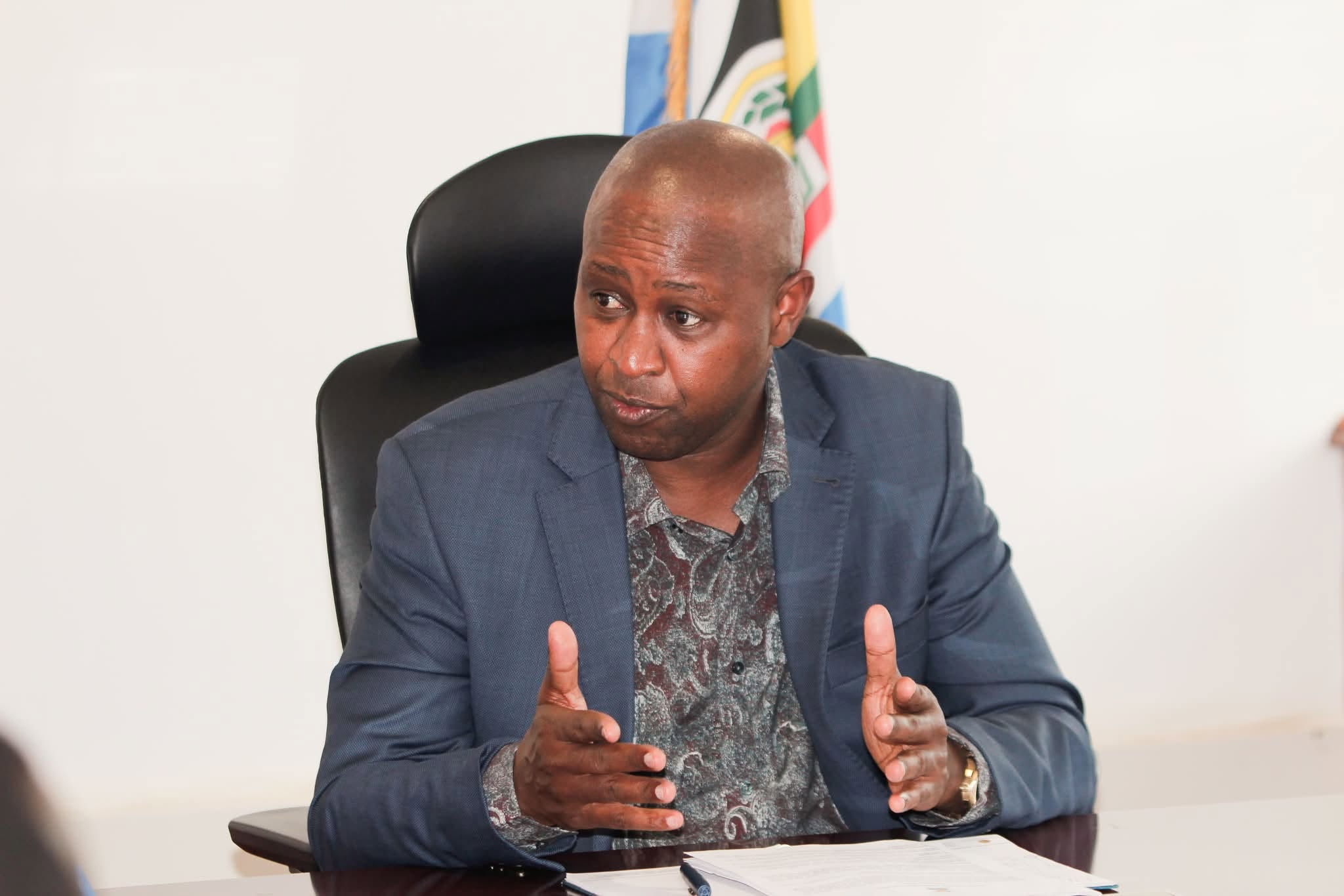
KUSCCO Group Managing Director Arnold Munene said Sacco funds are actively deployed in lending and member services, cautioning that restrictive enforcement measures could disrupt financial operations.
“Funds held in Sacco accounts are not idle reserves but are actively deployed to support lending, member withdrawals and ongoing obligations. Restricting access to such funds can disrupt lending and delay access to member savings,” he said.
The Finance Act 2026 also expands compliance obligations, including earlier filing deadlines for withholding tax schedules and stricter audits targeting verification of “bona fide members” to determine tax-exempt eligibility on dividend payments.
Saccos will now be required to file returns by April 30, earlier than the previous June deadline. This will affect those Saccos that pay dividends after the March Annual General Meeting (AGM).
While Section 16 of the Co-operative Societies Act further allows Saccos to admit individuals, groups of individual persons and corporate persons into their membership, section 19A (7) of the Income Tax Act currently restricts the definition of a primary Co-operative society to one whose membership is comprised of individual persons only. This creates punitive tax consequences for Saccos whose membership includes such groups, resulting in inequitable treatment and discouraging innovative co-operative models.
In its presentation to the parliamentary select committee on finance and national planning, KUSCCO argued that Sacco membership has evolved beyond individual persons to include groups of individuals and corporate persons, such as self-help groups and community associations, as part of financial empowerment initiatives. These groups are recognized as members of co-operatives societies under the Co-operative Societies Act and are welcomed by Saccos to promote inclusion and access to credit.
KUSCCO petitioned for amendments to the tax law to harmonize the tax treatment of Saccos whose membership includes both individual persons, groups of individual persons and corporate persons, ensuring fairness and equity by eliminating preferential treatment based on membership structure.
ALSO READ:
KIE, Kiambu County signs MoU to boost MSME growth and industrialization
Stakeholders say the new rules will force Saccos to overhaul member registers and compliance systems to avoid penalties and ensure tax exemptions are not revoked during audits.
At the centre of concern is a proposed expansion of KRA’s enforcement powers, which would allow the authority to issue agency notices and recover disputed tax amounts even while objections or appeals are still pending. Previously, such enforcement action was barred under Section 42 (14) (e) of the Tax Procedures Act until disputes were resolved.
The proposal has drawn criticism from both Sacco leaders and private sector groups, who argue that it could expose financial institutions to severe cash flow disruptions. The Kenya Private Sector Alliance (KEPSA) and the Kenya Bankers Association (KBA) have also opposed the changes, warning that premature enforcement could undermine ongoing tax dispute resolution processes and create uncertainty for businesses engaged in appeals.
KEPSA noted that taxpayers may be forced to remit funds to KRA only to wait for prolonged refund processes if disputes are later resolved in their favour, a situation it described as financially burdensome and procedurally unfair.
Sacco sector leaders have echoed these concerns, warning that similar enforcement against co-operative societies could affect liquidity and restrict members’ access to savings during ongoing disputes.
RELATED:
Government flags online misinformation over Sacco Societies Bill
Despite the criticism, government officials maintain that the reforms are necessary to modernise tax administration, improve compliance, and align financial reporting systems with digital infrastructure. They argue that tighter controls will reduce tax evasion and ensure that all economic actors contribute fairly to national revenue collection.
The Sacco sector, however, insists that reforms must be carefully implemented to avoid unintended consequences on financial inclusion and member confidence. KUSCCO has called for a more balanced approach that safeguards liquidity while still allowing the government to enhance revenue collection efficiency. It has also urged policymakers to recognise the unique co-operative structure of Saccos, where member savings are actively circulated within lending systems rather than held as idle capital.
As implementation of the Finance Act 2026 begins, Saccos now face a period of adjustment that will require enhanced compliance systems, stronger governance structures, and closer engagement with regulators.
For millions of Sacco members across the country, the debate raises key questions about the future of co-operative savings stability, access to credit, and the evolving role of Saccos within Kenya’s digital tax and financial architecture.
By Okoth Jackson and Masaki Enock
Get more stories from our website: Sacco Review.
For comments and clarifications, write to: Saccoreview@
Kindly follow us via our social media pages on Facebook: Sacco Review Newspaper for timely updates
Stay ahead of the pack! Grab the latest Sacco Review newspaper!