- Govt targets raising coffee production from 50,000 to 150,000 metric tonnes by 2028/29.
- Ksh1 billion allocated to the sector, with Ksh4 billion released to clear cooperative debts.
- Farmers to receive faster payments as reforms expand coffee farming and strengthen cooperatives.
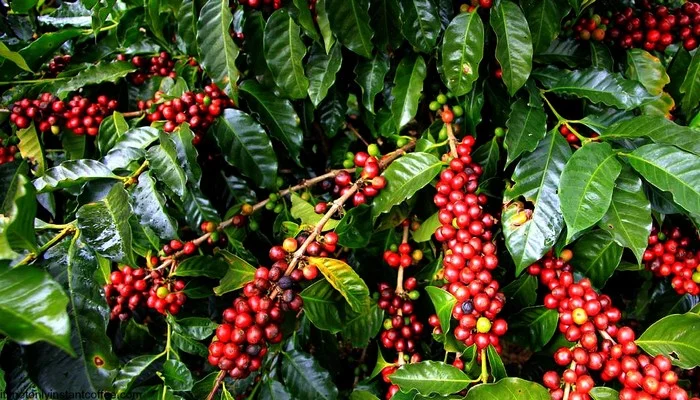
The government has launched an ambitious coffee revitalisation programme aimed at tripling Kenya’s annual coffee production from 50,000 metric tonnes to more than 150,000 metric tonnes within the next three years.
The initiative, which has now been rolled out in the North Rift region, seeks to expand coffee farming into new production areas while implementing reforms intended to improve farmers’ earnings and strengthen cooperative societies.
Speaking during the launch in Eldoret, Cooperatives and Micro, Small and Medium Enterprises (MSMEs) Development Cabinet Secretary Wycliffe Oparanya said the programme, targeting West Pokot, Nandi, Uasin Gishu and Elgeyo-Marakwet counties, forms part of a nationwide campaign unveiled by President William Ruto earlier this month.
“These engagements reaffirm our commitment to revitalizing Kenya’s coffee sector through stronger cooperatives, improved governance and targeted support for farmers as we work towards increasing coffee production from 50,000 to 150,000 metric tonnes by the 2028/29 financial year,” said Oparanya.
YOU MAY WANT TO READ:
Skilled labour shortage drives up construction costs in Kenya
To support the revival programme, the government has doubled its budgetary allocation to the coffee sector from Ksh500 million last year to Ksh1 billion in the current financial year. The funds will finance reforms, improve production and support farmers across the country.
Oparanya also announced that Ksh4 billion has already been released to clear historical debts owed by coffee cooperative societies, adding that the government is seeking an additional Ksh2.8 billion through a supplementary budget to complete the debt waiver programme.
He said future borrowing by cooperatives will be managed through the Coffee Cherry Advance Revolving Fund (CCARF), which is expected to improve access to affordable financing while preventing the accumulation of unsustainable debts.
The Cabinet Secretary said the government is also addressing governance challenges in the sector through proposed amendments to the Cooperative Act, which are currently before Parliament. He expressed confidence that the legislation will be enacted by September, paving the way for stronger management of cooperative societies.
As part of the reforms, coffee farmers will receive their payments faster. Oparanya noted that the period taken to pay farmers after coffee sales has already been reduced from more than a month to five days.
Once the new law takes effect, he said, farmers will receive 80 per cent of their proceeds directly through the Direct Settlement System (DSS), with the remaining 20 per cent remitted to their cooperative societies.
The programme adopts a multi agency approach involving county governments, county commissioners, the Kenya Planters Cooperative Union (KPCU), the Coffee Research Institute, the Nairobi Coffee Exchange and other stakeholders responsible for implementing the reforms.
County steering committees have been assigned the responsibility of profiling coffee farmers, mapping acreage under production, identifying suitable coffee varieties and monitoring progress to help the government direct resources where they are most needed.
“The information from the counties will enable us to know where seedlings, machinery and other interventions are required so that support reaches farmers in good time,” Oparanya said.
ALSO READ:
Marsabit Governor backs Gumi Saku Miraa Sacco fund drive for women traders
To lower production costs, the government plans to establish strategic coffee milling plants through KPCU instead of requiring individual cooperatives to invest in costly milling equipment. Eldoret, Kakamega and several towns in the Mt Kenya region have been identified as locations for the new facilities.
The ministry is also engaging manufacturers to ensure coffee farmers can acquire pulping machines at subsidised prices as part of broader efforts to modernise production and improve the competitiveness of Kenya’s coffee sector.
The revival programme is expected to expand coffee cultivation into new frontiers while restoring Kenya’s position among the world’s leading coffee producing countries through increased production, stronger cooperatives and improved returns to farmers.
By Jonathan Mwinzi
Get more stories from our website: Sacco Review.
For comments and clarifications, write to: Saccoreview@
Kindly follow us via our social media pages on Facebook: Sacco Review Newspaper for timely updates
Stay ahead of the pack! Grab the latest Sacco Review newspaper!