- MPs questioned conflicting Brazil and South Africa sugar import documents.
- PS Juma Mukhwana promised to investigate the origin discrepancy.
- Lawmakers queried a new duty free sugar approval before the first shipment was fully accounted for.
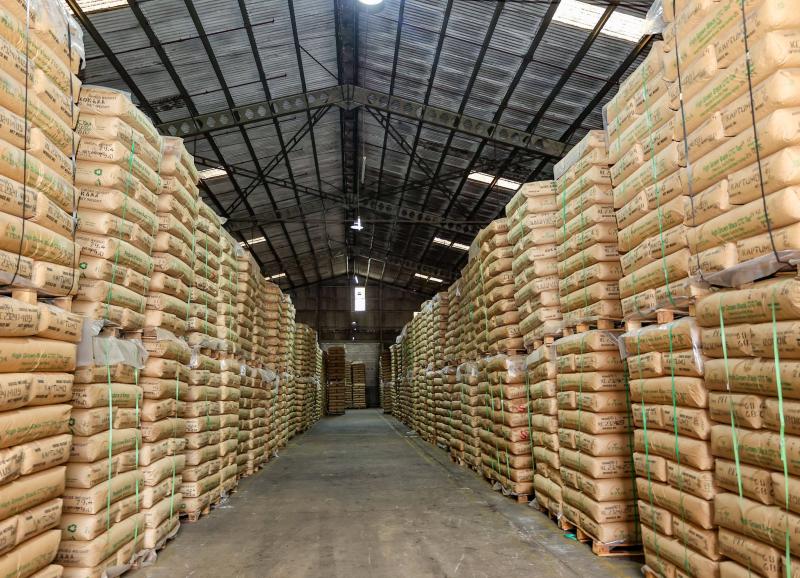
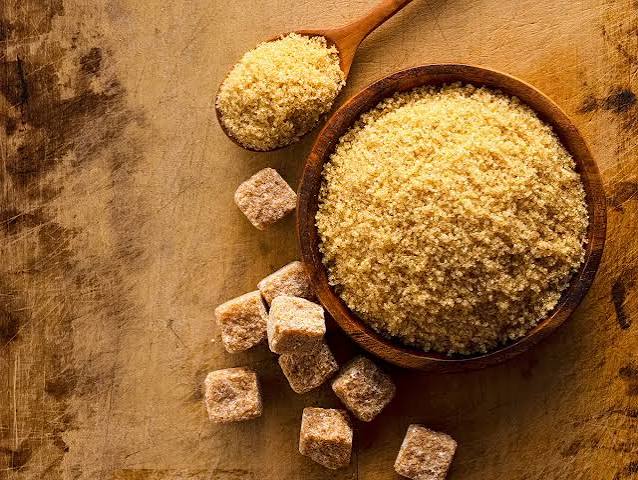
The government has come under fresh scrutiny over a 27,000 metric tonne consignment of duty-free raw sugar, after lawmakers uncovered conflicting documents indicating the shipment originated from two different countries.
The National Assembly Committee on Trade, Industry and Cooperatives on July 22 questioned Industry Principal Secretary (PS) Juma Mukhwana over inconsistencies in documents relating to the tax-exempt sugar imported by Mombasa Sugar Refinery.
The inquiry centres on a consignment imported under the East African Community (EAC) duty remission scheme, which allows manufacturers to bring in raw materials tax free for processing into industrial products.
While the State Department for Industry maintained that the sugar approved for importation originated from Brazil, documents presented before the committee pointed to South Africa as the source of the shipment.
Committee chairperson Bernard Shinali asked the PS to explain how the ministry approved sugar imports from Brazil, yet inspection and origin documents accompanying the consignment identified Durban, South Africa, as the point of origin.
The ministry told MPs that the EAC duty remission programme had authorised the importation of up to 165,000 metric tonnes of raw sugar from Brazil, with the first shipment comprising about 27,000 metric tonnes.
YOU MAY WANT TO READ:
KJET opens applications for MSME clusters under new funding programme
However, lawmakers questioned why the accompanying paperwork appeared to contradict the ministry’s position.
Committee deputy chairperson Maryann Kittany said the ministry had approved the shipment as Brazilian sugar, yet the inspection certificate was issued by SGS in South Africa, while the certificate of origin and manufacturer documents also pointed to South Africa.
“Sugar cannot be manufactured in two countries. Was this sugar approved from Brazil or from South Africa? Goods transiting through another country ordinarily retain their original country of origin,” Kittany said.
Funyula MP Wilberforce Oundo questioned why government officials failed to halt the importation after receiving documents indicating South Africa instead of Brazil.
“If we approved sugar from Brazil and sugar from South Africa came, then somebody should have stopped the process until the correct sugar was approved,” Oundo said.
Last week, the Kenya Revenue Authority (KRA) maintained that the sugar originated from South Africa and had not been transshipped.
Mukhwana, however, insisted that the ministry had only approved sugar imported from Brazil, but admitted he could not immediately explain why documents presented to the committee referenced South Africa.
“The sugar that the ministry approved, together with the rest of the multi agency team, was sugar from Brazil. I am now learning that there is something from South Africa, which I promise to investigate further so that we can give a more comprehensive reply on that issue,” he said.
He added that the importer should explain the documentation relating to the certificate of origin.
Mukhwana defended the government’s decision to overturn an earlier KRA classification that had categorised the shipment as table sugar, saying laboratory tests conducted by SGS, the Kenya Bureau of Standards (KEBS) and KRA produced similar technical findings but differed in interpretation.
READ ALSO:
Kenya pushes livestock traceability to unlock AfCFTA export opportunities
According to the PS, KRA had initially classified the sugar as table sugar and demanded about Ksh300 million in taxes before revising its position after consultations among government agencies.
Mukhwana said future imports would depend on reports detailing how much of the first consignment had been transported to the refinery and processed, attributing delays to logistical challenges in moving the cargo from Mombasa to the Kibos plant.
The committee, however, questioned why another duty remission request had already been approved before the ministry received complete production and sales reports for the initial shipment.
By Jonathan Mwinzi
Get more stories from our website: Sacco Review.
For comments and clarifications, write to: Saccoreview@
Kindly follow us via our social media pages on Facebook: Sacco Review Newspaper for timely updates
Stay ahead of the pack! Grab the latest Sacco Review newspaper!