
Kenyan insurer Britam disbursed KSh97.3 million in agricultural insurance claims in 2025, cushioning tens of thousands of smallholder farmers and pastoralists battling the effects of drought and erratic rainfall, as the company recorded an 83% jump in crop insurance coverage across the country.
According to the insurer’s 2025 Sustainability Report, crop insurance uptake rose sharply from 161,521 farmers in 2024 to 294,799 farmers in 2025, marking one of the fastest periods of growth in agricultural insurance coverage in Kenya’s financial services sector.
The payouts were largely driven by Britam’s expanding use of parametric insurance models, which rely on satellite data and predefined weather triggers to accelerate compensation when droughts, erratic rainfall and other climate events occur.
Of the total claims, Ksh 80.4 million went to crop insurance beneficiaries, while Ksh 16.9 million was paid out to pastoralists under the livestock insurance programme. The company insured 107,882 pastoralists across Kenya, Uganda, and Tanzania during the year.
The growth comes against a backdrop of persistently low agricultural insurance penetration in Kenya. Africa Re estimates that about two million smallholder farmers in Kenya have some form of insurance, a figure that remains far below the total farming population. Across Africa, fewer than 17% of farmers are insured, even as agriculture accounts for about 30% of Sub-Saharan Africa’s Gross Domestic Product (GDP).
Kenya has faced some of its worst climate shocks in recent memory. In 2022, the country experienced a drought described as one of the worst in 40 years, leading to the loss of livestock and crops worth billions of shillings, particularly in Arid and Semi-Arid Land (ASAL) regions, with an estimated 2.5 million to 2.6 million livestock dying.
Britam has been deepening its footprint in Kenya’s agricultural insurance space through a series of product innovations. In March 2025, Britam officially launched its micro-insurance subsidiary following licensing by the Insurance Regulatory Authority (IRA), making it one of the first fully licensed microinsurance providers in the country.
Among the products under the subsidiary is the Kinga ya Mkulima cover, offered in partnership with Majani Insurance Brokers, a subsidiary of the Kenya Tea Development Authority (KTDA). The product currently insures 200,000 farmers, covering a total of 600,000 people, including dependents, with premiums starting at just Ksh 85 per month, giving farmers access to both inpatient and outpatient care.
ALSO READ:
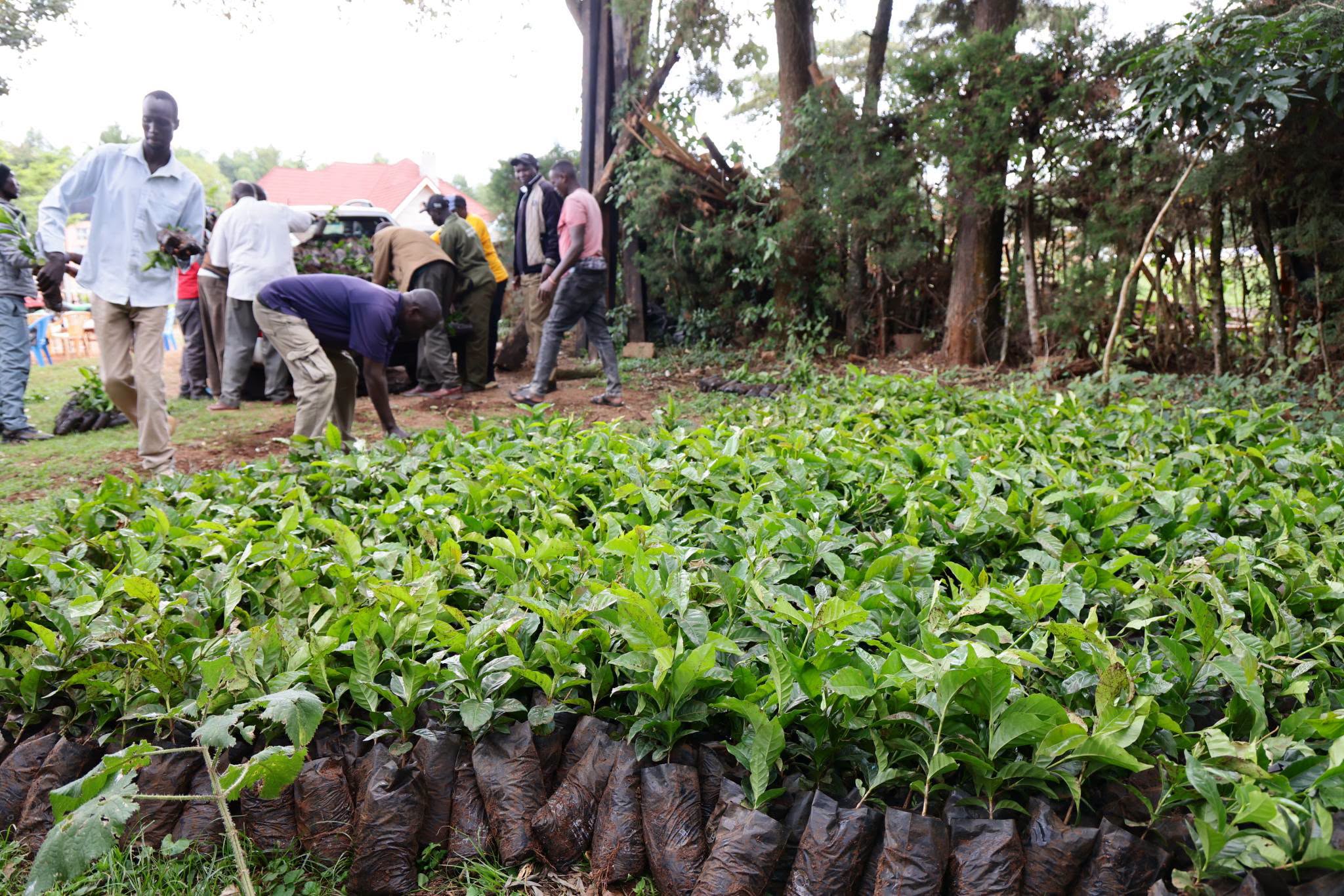
Britam has also moved into specialty parametric products for Kenyan cash crop farmers. In partnership with insurtech firm Sprout Inc. and Liberty Mutual Reinsurance (LM Re), Britam launched a parametric insurance product designed to protect Kenyan coffee farmers from financial losses caused by drought, with payouts triggered by specific weather events to offer immediate financial relief.
The regulatory environment supporting these products is also evolving. Kenya is introducing new rules through the Insurance (Index Insurance) Regulations 2025, drafted by the National Treasury under the Insurance Act, to regulate index-based insurance products and compel insurers to compensate customers within 10 days.
Britam Group Managing Director and Chief Executive Officer Tom Gitogo said the company remains committed to closing the protection gap for Kenya’s farming communities.
“Through inclusive, sustainable and innovative solutions, we are enabling recovery, stability, and continued productivity even in the face of increasing climate uncertainty. Our focus is to ensure that farmers and pastoralists are not left exposed when climate shocks strike,” Gitogo said.
Most insured farmers in Kenya are concentrated in the western and highland regions, the country’s breadbasket, as well as among pastoralists in northern Kenya, areas experts say are most exposed to rainfall variability and require sustained insurance expansion.
By Benedict Aoya
Get more stories from our website: Sacco Review.
For comments and clarifications, write to: Saccoreview@
Kindly follow us via our social media pages on Facebook: Sacco Review Newspaper for timely updates
Stay ahead of the pack! Grab the latest Sacco Review newspaper!