Kenya’s Micro, Small and Medium Enterprises (MSME) sector is staring at a severe credit crunch, with experts warning that the country faces a KSh3.3 trillion funding gap that threatens the survival and growth of the sector. Financial institutions are currently providing only a fraction of the capital required to sustain operations, raising fears about the future of enterprises that drive the bulk of the nation’s economy.
Data from the ongoing review of the MSME policy shows that the sector requires approximately KSh4 trillion in financing. However, commercial banks are supplying just KSh700 billion, leaving a massive shortfall that continues to constrain enterprise growth.
The crisis comes at a time when MSMEs remain the backbone of Kenya’s economy, accounting for nearly 80 per cent of new jobs created annually and supporting millions of livelihoods.
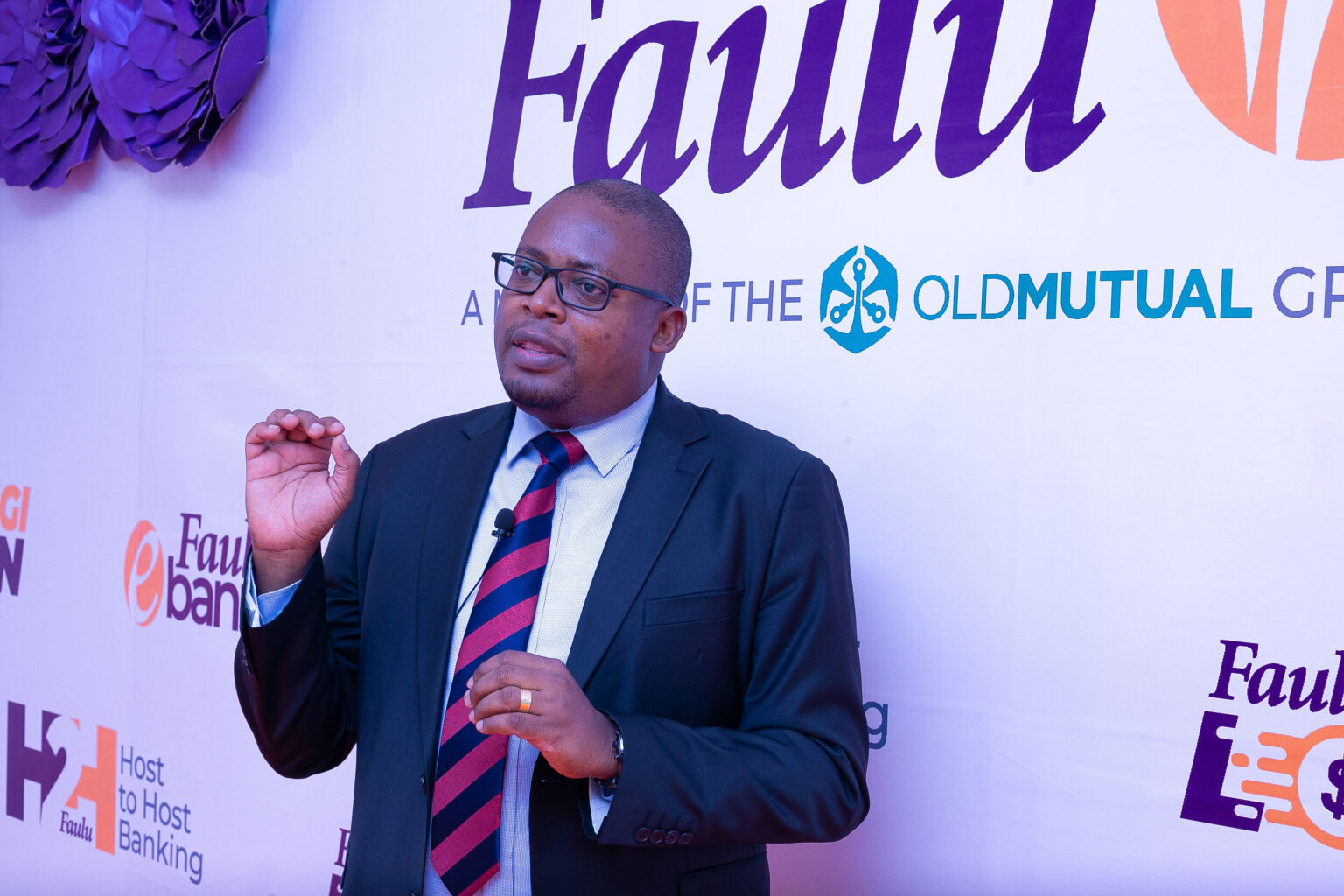
Financial experts are now calling for urgent interventions to unlock credit and ensure small enterprises can access affordable and appropriate financing. Julius Ouma, chief executive officer of Faulu Microfinance Bank, said traditional lending models are outdated and exclusionary, locking out many viable businesses.
“Traditional banking models rely heavily on physical collateral and formal records, an exclusionary framework that eliminates a vast majority of viable Kenyan enterprises,”
CEO-Faulu Microfinance Bank-Julius Ouma
ALSO READ:
Kirinyaga farmers reject proposed 8 pc tea levy, demand direct export access
He explained that many entrepreneurs in the informal and semi‑formal sectors have strong cash flows and viable business models but are unable to access credit because they lack the conventional security requirements demanded by lenders. To address the challenge, Ouma urged financial institutions to adopt alternative credit assessment methods that focus on business cash flows, transaction history, and customer behaviour rather than fixed assets.
Experts argue that without deliberate policy and market interventions, the financing gap will continue to limit job creation and slow Kenya’s broader economic development agenda. They also point out that SMEs have diverse financing needs that cannot be addressed through a one‑size‑fits‑all lending approach.
Ouma emphasised that lenders must redesign their products to respond to the unique realities of different sectors and help businesses navigate rising operational costs.
By Masaki Enock
Get more stories from our website: Sacco Review.
For comments and clarifications, write to: Saccoreview@
Kindly follow us via our social media pages on Facebook: Sacco Review Newspaper for timely updates
Stay ahead of the pack! Grab the latest Sacco Review newspaper!