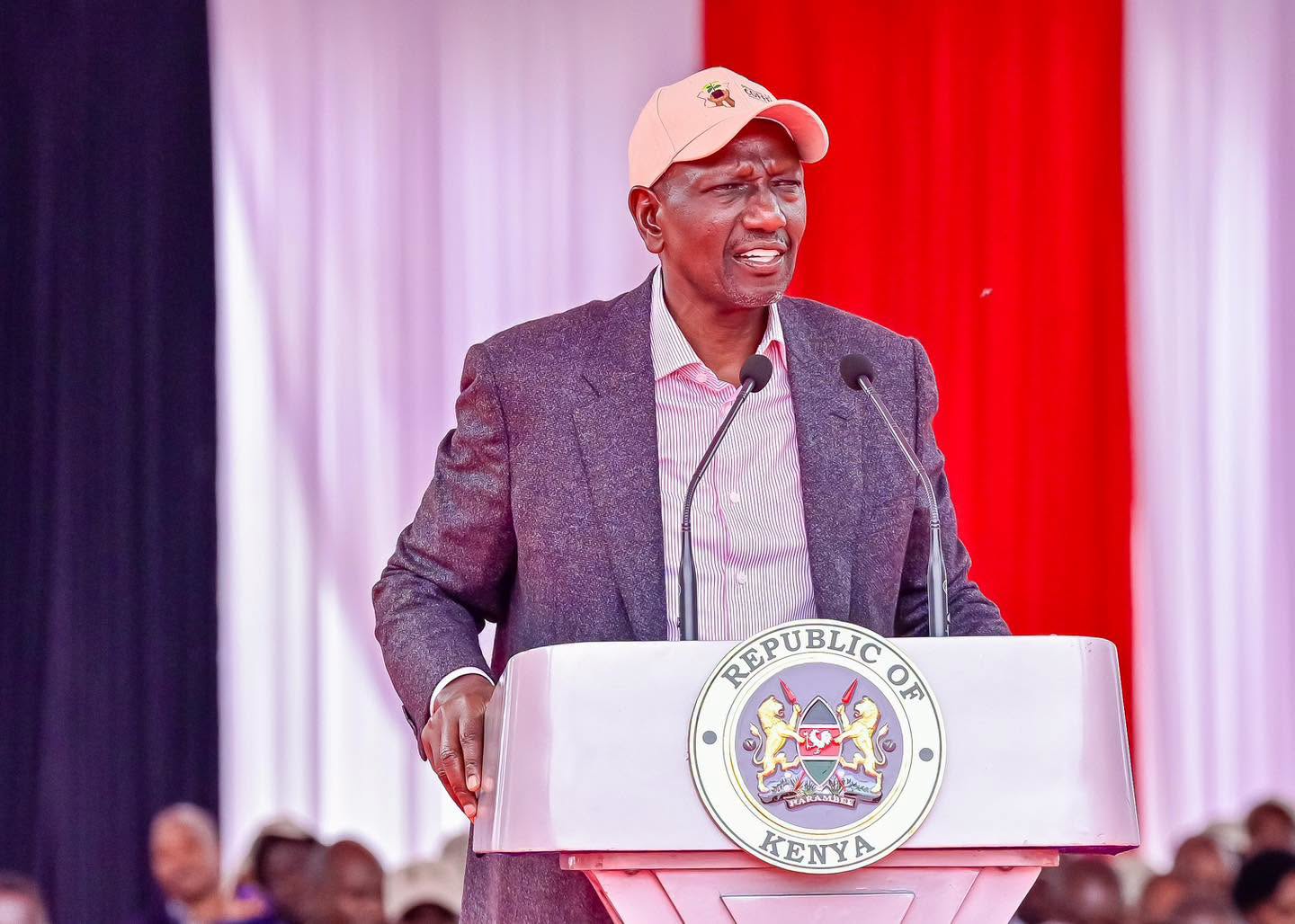
Kirinyaga County has received a major boost after President William Ruto announced the waiver of more than KSh1 billion in debts owed by 14 coffee cooperative societies, a move expected to ease financial pressure on farmers and accelerate reforms in the sector.
Speaking during the national launch of the Coffee Sector Revitalisation Programme in Kianyaga, Gichugu Constituency, Ruto revealed that the government has allocated KSh2 billion in the 2026/27 budget to clear debts owed by coffee cooperatives across the country, describing the measure as critical to strengthening the revival of the industry.
Governor Anne Waiguru, who had appealed for the debt waiver, welcomed the President’s intervention, noting that coffee remains the backbone of the county’s economy, supporting more than 120,000 farmers and thousands of households along the value chain.
Waiguru highlighted the sector’s growth, pointing out that annual coffee production in Kirinyaga has risen from 28,000 metric tonnes of cherry in 2017 to 49,100 metric tonnes in the 2025/26 season, generating KSh7.48 billion for farmers. She said deliberate investments in seedlings, extension services, subsidised fertiliser, and modern processing infrastructure have driven the resurgence.
ALSO READ:
Farmers earned between KSh104 and KSh157.40 per kilogramme of cherry this season, with average payouts rising to KSh139 per kilogramme, up from KSh134 last year. Waiguru attributed the improved returns to interventions such as eco‑pulpers, solar dryers, farmer training programmes, and the construction of a modern warehouse at the Kirinyaga County Cooperative Union premises in Kimicha.
She also cited the success of the Kirinyaga Slopes Coffee Brokerage Company, which has marketed about 18,255 metric tonnes of clean coffee between 2023 and 2026, earning farmers KSh14.6 billion.
Kirinyaga Central MP Gachoki Gitari urged speedy implementation of the debt waiver programme, while Deputy President Kithure Kindiki praised Kirinyaga’s progress, describing the county as a model for coffee production.
“Kirinyaga has demonstrated that with proper leadership and reforms, coffee farming can become highly profitable for farmers,” Kindiki said, noting that payouts have risen from an average of Sh50 per kilogramme in previous years to nearly KSh160 in some factories.
President Ruto outlined the government’s long‑term goal of raising farmer earnings to between Sh250 and Sh300 per kilogramme through improved productivity and expanded acreage. He said the programme targets production of 150,000 metric tonnes of coffee by 2029, up from current levels, by raising productivity from about two kilogrammes per tree to five kilogrammes per tree and expanding coffee acreage by an additional 100,000 acres.
ALSO READ:
Ruto announces plan to boost coffee pay-outs to Ksh300 per kilo
To support these reforms, Ruto announced an additional KSh1 billion for modernisation of coffee factories and another KSh1 billion for the production and distribution of quality seedlings. He directed that marketing reforms be fully implemented to ensure farmers receive at least 80 per cent of coffee sale proceeds directly through digital payment systems.
The President also challenged Kenyans and public institutions to increase consumption of locally produced coffee to expand the domestic market.
By Masaki Enock
Get more stories from our website: Sacco Review.
For comments and clarifications, write to: Saccoreview@
Kindly follow us via our social media pages on Facebook: Sacco Review Newspaper for timely updates
Stay ahead of the pack! Grab the latest Sacco Review newspaper!