Kenya’s cooperative regulator has issued its starkest warning yet to non-withdrawable deposit-taking savings societies, telling their leadership that structural reform and professional governance are no longer optional as the sector steers towards a new legislative framework.
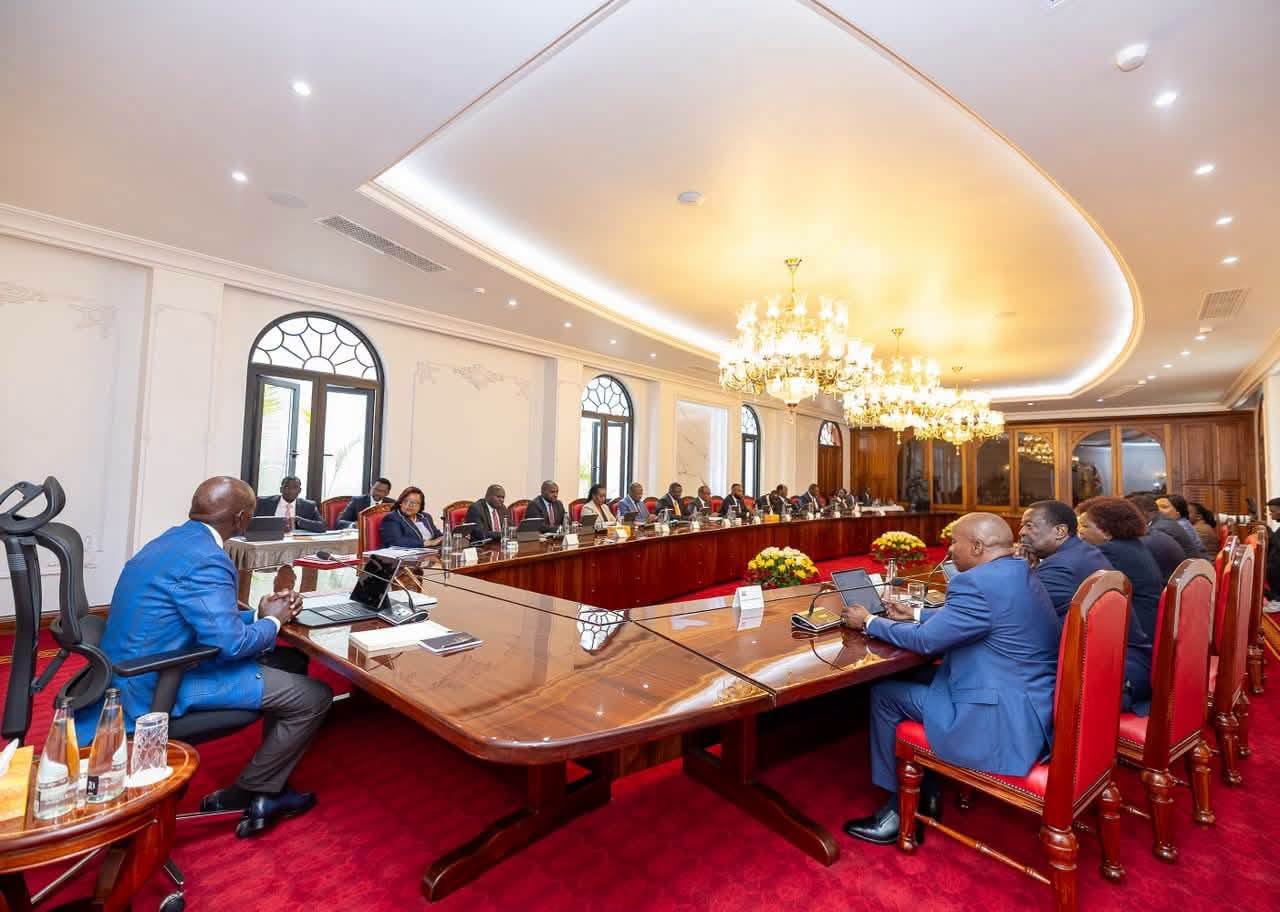
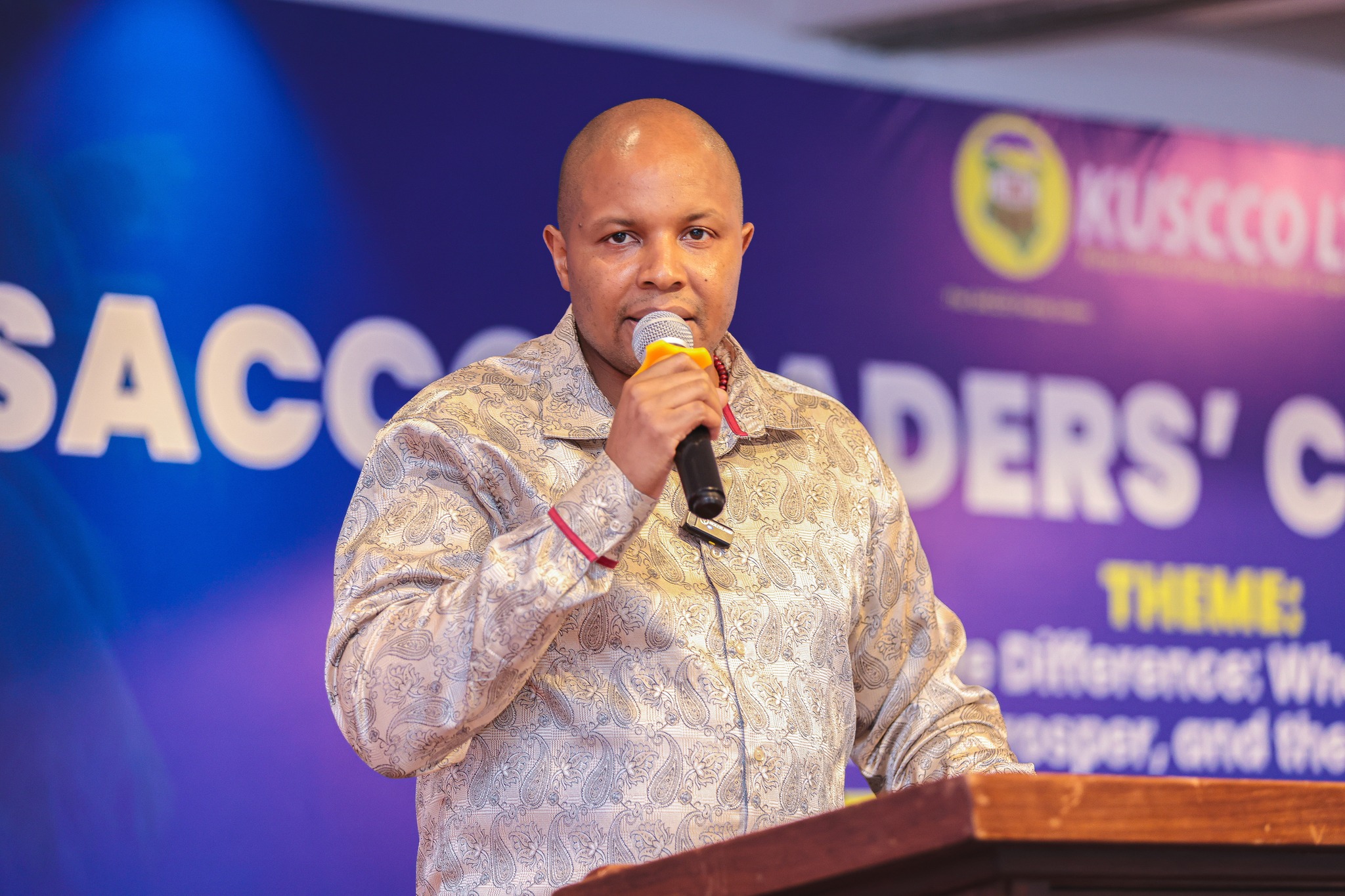
The Sacco Societies Regulatory Authority (SASRA) convened its inaugural Regulatory Round Table for Non-Withdrawable Deposit-Taking (NWDT) SACCOs on April 23 in Nakuru, bringing together sector leaders, government officials and SACCO management to chart a compliance roadmap for a segment that controls a combined Ksh 140 billion in assets.
SASRA Chairperson Jack Ranguma framed the forum’s ambition around a single benchmark for member confidence.
“One shilling in a circle is equal to one shilling in a bank,” he told delegates.
Ranguma said the authority’s newly deployed Risk-Based Supervision System (RBSS) would function as a real-time institutional health monitor, enabling SASRA to flag non-compliance from a central digital dashboard.
SASRA Chief Executive Officer (CEO) David Sandagi disclosed that 352 SACCOs are currently under the authority’s regulatory oversight, comprising 176 licensed deposit-taking SACCOs and 176 authorised NWDT SACCOs, collectively holding Ksh 1.2 trillion in assets. The NWDT segment alone manages Ksh 140 billion in assets and Ksh 104 billion in deposits, representing 12 per cent of total industry deposits despite accounting for roughly seven percent of the 7.4 million members in the regulatory fold.
Sandagi noted that while land and housing remain the dominant destination for member credit, SACCOs are increasingly channelling funds towards micro, small and medium enterprise (MSMEs) financing, with members treating cooperative capital as seed funding for small businesses even while holding formal employment.
ALSO READ;
The most pointed remarks came from Patrick Kilemi, Principal Secretary (PS) in the State Department for Cooperatives, who delivered what amounted to a reform manifesto that was candid, wide-ranging and occasionally sharp, covering governance failures, regulatory gaps, financial mismanagement and the architecture of the proposed Cooperative Bill 2026.
Kilemi opened on the politically sensitive question of jurisdictional conflict between the national government and county governments over cooperative regulation, warning that the Bill’s primary task is to clearly outline functions before the Council of Governors resorts to litigation.
He also flagged thousands of village-level SACCOs that fall below SASRA’s regulatory threshold and remain inadequately supervised by county directors, a gap he called the sector’s next frontier.
“If we are saying a shilling in a bank should be as safe as a shilling in a Sacco, what about those small Saccos in the village which don’t make the threshold to be here where we are today?” he asked. “It’s a big challenge, really.”
His most dramatic illustration of governance breakdown came from an account of a SACCO CEO summoned to approve a two-billion-shilling investment in a questionable deal within 24 hours. When the CEO objected on procedural grounds, the board convened an emergency meeting with a single item on the agenda, which was the CEO’s performance.
He used the episode to underscore why the Commissioner’s circular requiring excess liquidity investments to remain within a regulated framework was not bureaucratic overreach but member protection.
Kilemi then turned to the threat of digital fraud, warning that haircut deductions, where small amounts are shaved from large numbers of member accounts, were effectively invisible to standard oversight.
His prescription was blunt: regular reconciliation, regardless of how sophisticated the system.
ALSO READ;
EAC affairs PS urges parliament to amend tax laws to align with EAC partner states
He extended his criticism to the audit function, accusing some auditors of producing reports shaped by the circumstances of the SACCO being examined rather than by professional standards.
On board-management relations, Kilemi drew a direct contrast between Kenya and mature cooperative markets, where the CEO runs the SACCO and the board holds them accountable through structured performance contracts. In Kenya, he said, board chairs treat daily operational interference as their right and punish executives for professional judgment.
“We have chairmen who wake up every single morning to go to their Saccos. Who run the day-to-day operations of their Saccos. And not even chairman, even all the directors have office suits in their Saccos,” he said.
His appeal to board leaders was direct: to formalise the relationship, define performance measures and stop treating management contracts as spoils of electoral cycles within the institution.
“Let us agree on how many board meetings we’ll be having. Let us agree on how we’ll be measuring the performance of our people. And let us agree on how the contract will be managed,” he said.
By Benedict Aoya
Get more stories from our website: Sacco Review.
For comments and clarifications, write to: Saccoreview@
Kindly follow us via our social media pages on Facebook: Sacco Review Newspaper for timely updates
Stay ahead of the pack! Grab the latest Sacco Review newspaper!