- KUSCCO liquidation puts Kenya’s co-operative regulator under scrutiny
- Questions grow over whether the collapse could have been prevented
- Liquidation must be followed by asset recovery and accountability
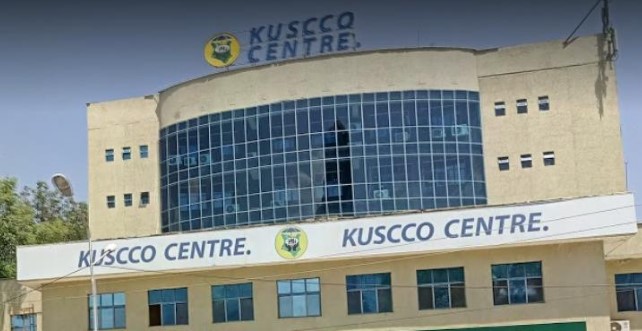
The liquidation of the Kenya Union of Savings and Credit Co-operative Organisations (KUSCCO) raises questions that go beyond the organisation’s reported financial difficulties. At the heart of the debate is the role of the Commissioner for Co-operative Development, the office charged with supervising, promoting and protecting the co-operative movement.
KUSCCO was not an ordinary co-operative society. For more than five decades, it stood as one of the most visible faces of Kenya’s Sacco movement, representing hundreds of Saccos and providing advocacy, training and consultancy. Its collapse is therefore a major test of Kenya’s co-operative governance system, not merely the death of one institution.
Reports indicate that KUSCCO’s members approved liquidation at a Special General Meeting convened by Commissioner for Co-operative Development David Obonyo on August 28, 2026. The organisation was gazetted for liquidation after its financial position was presented as approximately Ksh5.4 billion in assets against liabilities exceeding Ksh17 billion.
Where was the regulator?
An uncomfortable question remains: where was the regulator when the problems that eventually brought KUSCCO down were developing? If the Commissioner had a governance or oversight role within KUSCCO’s structure, the public deserves to understand its nature and extent. Was he an observer, or an adviser? What warnings were issued, and what corrective measures were recommended before liquidation became the preferred solution?
These are legitimate questions, since regulation is not simply about arriving after an institution has collapsed. A regulator is expected to spot danger signals early and demand corrective action to protect members’ interests.
Could KUSCCO have been rescued?
Co-operatives are not merely private commercial entities. They are member-owned institutions that mobilise savings and support livelihoods, which places enormous responsibility on government. That raises a further question: was liquidation the only solution, or could a structured rescue or negotiated restructuring have been explored first?
YOU MAY WANT TO READ:
A large gap between assets and liabilities does not, by itself, confirm that every rescue option was exhausted. If billions were allegedly lost through mismanagement, the first instinct should be recovery and accountability, not simply liquidation. Liquidation can dispose of an institution, but it cannot answer who caused the loss.
A test of the regulatory system
This is where the KUSCCO affair becomes bigger than KUSCCO. If poor governance caused the collapse, the public must ask whether the regulatory framework worked as intended. Who received the warnings, if any existed? Why were stronger interventions not made earlier if directors failed in their duties?
These questions are not accusations against any individual; they are questions of institutional accountability. The Commissioner should welcome a transparent review, since it would help separate failures by KUSCCO’s management from any failures within the wider supervisory system.
The legal dimension
There is also a legal angle. If the Commissioner’s actions were unlawful, irrational or procedurally unfair, affected parties may seek remedies through the courts, though outcomes would depend on statutory powers and evidence. Holding public office does not place a decision beyond scrutiny, but a case being filed does not equal personal liability.
Perhaps the most sensitive issue is whether the Commissioner’s supervisory responsibilities conflicted with any involvement in KUSCCO’s affairs. Even where no legal conflict exists, the appearance of one can undermine public confidence. The government should therefore make available relevant regulatory reports and decision-making records that led to liquidation, subject to lawful confidentiality requirements.
Accountability must not end with liquidation
Liquidation should not be treated as the final chapter but as the start of deeper investigation. With assets of roughly Ksh5.4 billion against liabilities exceeding Ksh17 billion, liquidators must explain how assets will be protected, debts pursued and funds recovered. The public should also know whether former directors and managers responsible for the collapse will be held accountable where wrongdoing is established.
KUSCCO’s disappearance also creates a vacuum in the co-operative movement, which still needs advocacy and policy engagement. Reports suggest members support a new umbrella body, but its creation should not bury questions surrounding the old one. Kenya should learn the lessons of KUSCCO before building a replacement, or it risks repeating the same governance weaknesses.
The real question is not simply why KUSCCO collapsed, but who was responsible for watching over it while it grew sick, and what they did when warning signs appeared. Until that is answered, the liquidation will remain clouded by uncertainty. When billions belonging to Saccos and their members are at stake, questions are not accusations. They are the beginning of accountability.
By Xavier Lugaga
Get more stories from our website: Sacco Review.
For comments and clarifications, write to: Saccoreview@
Kindly follow us via our social media pages on Facebook: Sacco Review Newspaper for timely updates
Stay ahead of the pack! Grab the latest Sacco Review newspaper!