
- Bank lending rates differ widely despite a lower industry average
- Borrowers face different costs depending on the bank and loan terms
- CBK maintains the Central Bank Rate at 8.75 per cent
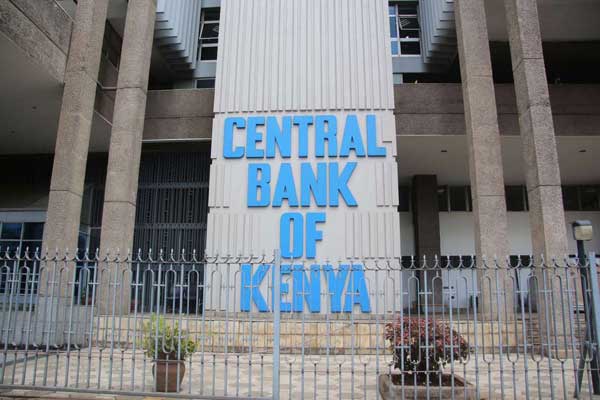
Kenyans shopping for loans have been handed a fresh guide to the cost of borrowing. New Central Bank of Kenya (CBK) figures reveal a striking gap between banks charging the lowest and highest average lending rates.
The latest CBK data shows that the overall average commercial bank lending rate fell to 14.34 per cent in August 2026, from 14.39 per cent in July. This signals a continued gradual easing in the cost of credit.
However, behind the national average is a wide variation in what individual banks charged their customers.
Citibank N.A. Kenya recorded the lowest average lending rate at 10.52 per cent, followed by Standard Chartered Bank Kenya at about 11.5 per cent and Stanbic Bank Kenya at 11.93 per cent.
Habib Bank A.G. Zurich recorded 12.68 per cent, while HFC stood at 13.07 per cent.
Bank of Baroda Kenya recorded about 13.5 per cent, followed by Guardian Bank at 13.51 per cent and I&M Bank at about 13.6 per cent.
ABSA Bank Kenya recorded about 13.7 per cent, while Bank of India was around 13.8 per cent.
Development Bank of Kenya, Prime Bank and Diamond Trust Bank were all below or around the 14 per cent mark. Meanwhile, NCBA, Consolidated Bank and Guaranty Trust Bank were clustered around 14 per cent.
READ ALSO:
KCB Bank Kenya recorded an average lending rate of 14.78 per cent, while Equity Bank Kenya stood at 14.90 per cent.
Co-operative Bank was around 15 per cent, with several other institutions recording rates above the industry average.
At the higher end, SBM Bank Kenya recorded 17.17 per cent, Kingdom Bank 17.21 per cent, Access Bank Kenya 17.32 per cent and Bank of Africa Kenya 17.45 per cent.
Credit Bank recorded the highest average lending rate in the published figures at 18.69 per cent.
That means the difference between the lowest and highest average lending rates was more than eight percentage points. This underscores the importance of comparing loan offers before signing financing agreements.
However, CBK figures are average rates across banks and do not necessarily represent the exact rate an individual borrower will receive. The final cost can depend on the type of loan, borrower profile, security, repayment period, fees and other charges.
These developments come as the CBK maintains its benchmark Central Bank Rate (CBR) at 8.75 per cent.
CBK’s Monetary Policy Committee retained the rate at its August 11, 2026 meeting. It said the prevailing monetary policy stance remained appropriate for maintaining price stability and supporting economic activity.
The regulator also reported that private sector credit growth remained strong, reaching 10.2 per cent in July 2026, compared with 10.6 per cent in June. CBK noted that improved credit growth was occurring alongside declining lending rates.
By Hillary Muhalya
Get more stories from our website: Sacco Review.
For comments and clarifications, write to: Saccoreview@
Kindly follow us via our social media pages on Facebook: Sacco Review Newspaper for timely updates
Stay ahead of the pack! Grab the latest Sacco Review newspaper!