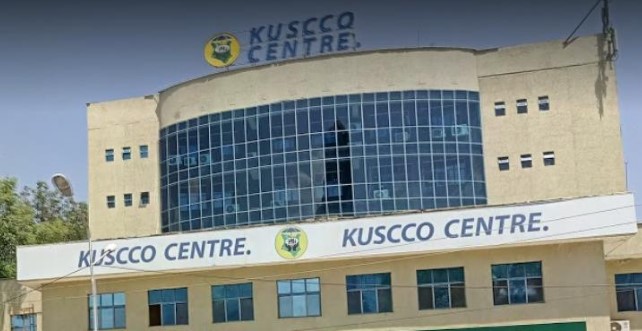
- Friday’s vote could determine how Saccos absorb billions lost in the KUSCCO crisis.
- Affected Saccos have already been forced to recognise losses and set aside provisions.
- Pressure is mounting for accountability as members seek answers over how the funds disappeared.
Kenyan Saccos head into Friday’s KUSCCo special general meeting still counting the cost of a scandal that wiped out Ksh 13.3 billion in member funds.
A forensic audit by PricewaterhouseCoopers (PwC) found that Ksh 13.3 billion had vanished from the Kenya Union of Savings and Credit Co-operatives (KUSCCO) through cooked books, executive theft, bribery and unexplained withdrawals.
The findings left KUSCCO insolvent by Ksh 12.5 billion. Some 247 member Saccos had placed Ksh 24.8 billion in deposits with the union, funds that remain at risk as recovery efforts continue.
Friday’s vote effectively puts a figure on what Saccos have already been forced to absorb, and what more they may still lose.
The bill Saccos are already paying
Individual Saccos have spent the past year and a half booking these losses in their own accounts. Kenya National Police DT Sacco CEO Solomon Atsiaya said exposed Saccos had no option but to make provisions, calling it a painful but necessary step to protect their own financial standing.
READ ALSO:
Regulators moved early to enforce this. Peter Njuguna, then CEO of the Sacco Societies Regulatory Authority (SASRA), directed registered Saccos in mid-January 2025 to begin recognising impairment losses and setting aside provisions for likely write-offs tied to their KUSCCO exposure.
Kenyan law and International Financial Reporting Standards (IFRS) require Saccos to provision for such losses, leaving little room for institutions to delay the hit to their books.
How the losses built up
The crisis traces back to panic withdrawals at KUSCCO’s Central Finance Facility between October 2023 and January 2024, which left the union unable to meet member requests for their deposits.
An internal audit in November 2024 first flagged Ksh 12.5 billion in losses linked to illegal withdrawals and mismanagement, a figure the PwC forensic audit later confirmed and expanded on.
As delays dragged on, affected Saccos took their complaints to the Commissioner for Co-operative Development and SASRA, pressure that has fed directly into Friday’s meeting
By Benedict Aoya
Get more stories from our website: Sacco Review.
For comments and clarifications, write to: Saccoreview@
Kindly follow us via our social media pages on Facebook: Sacco Review Newspaper for timely updates
Stay ahead of the pack! Grab the latest Sacco Review newspaper!