
Kenya’s co-operative sector, which is holding over Ksh1.3 trillion in deposits, is facing a do-or-die moment as a basket of proposed changes sets the stage for one of the single-largest overhauls in the sector’s history.
The sweeping reforms, through the Sacco Societies (Amendment) Bill, 2025 and the report from the committee of experts hired by the Ministry of Co-operatives, want to fix structural weaknesses that have left co-operatives exposed to liquidity shocks, governance failures and collapse.
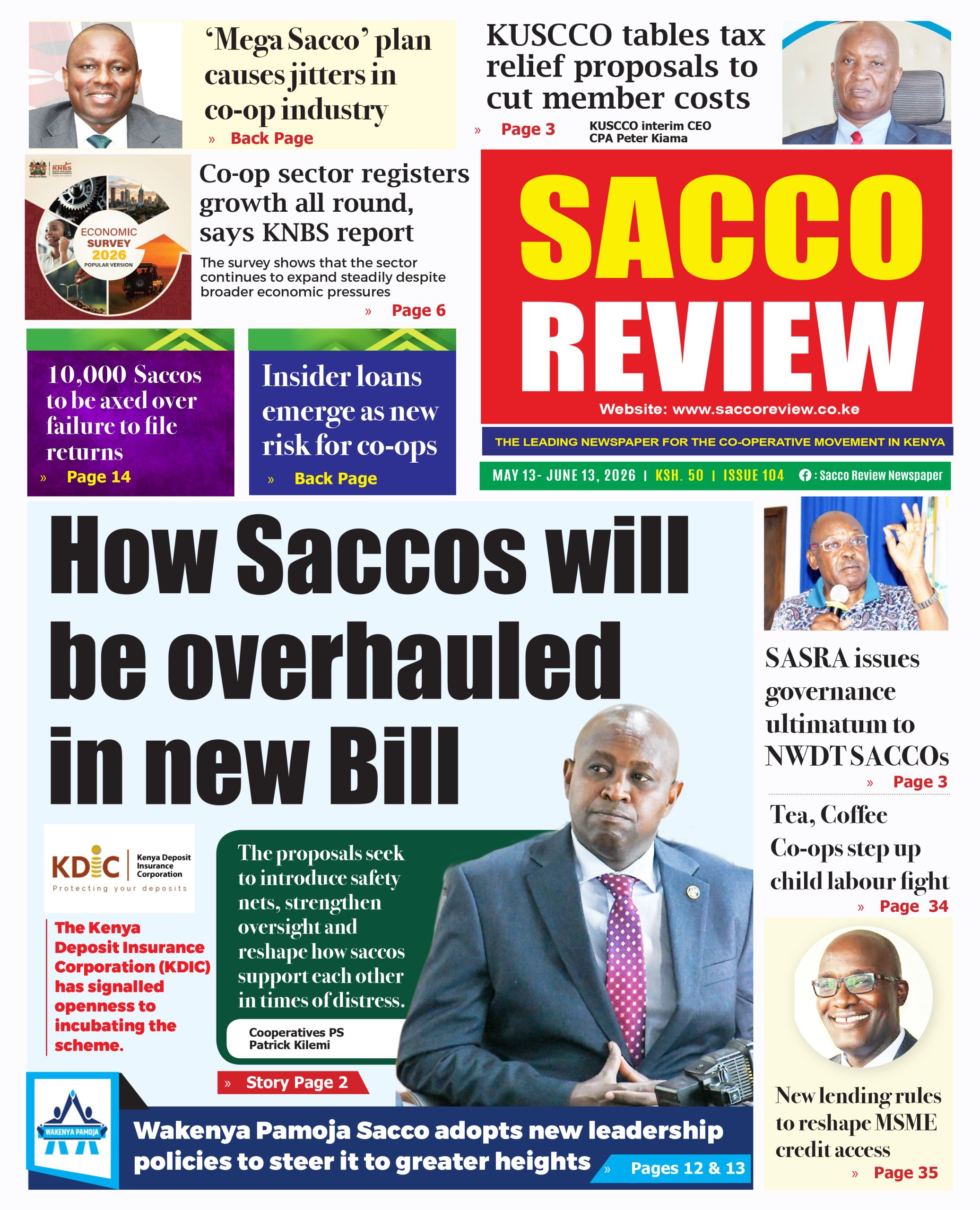
The proposals seek to introduce safety nets, strengthen oversight and reshape how saccos support each other in times of distress. The proposed overhaul is a do-or-die moment for a co-operative movement that wants to overcome its shaky past and boost members’ confidence.
“As the financial landscape evolves, institutions must also adapt. Saccos have come a long way from small community groups to major financial players in Kenya’s economy. To remain strong, they must continue to evolve in ways that protect members and build resilience,” said Patrick Kilemi, Principal Secretary State Department for Cooperatives.
Saccos have grown into key financial intermediaries, mobilising deposits comparable to mid-tier banks. However, many lack key safeguards for promoting stability.
One of the key proposals being backed by the committee of experts is the creation of a Stabilisation Protection Scheme (SPS), which will work as an emergency liquidity facility to rescue distressed but viable Saccos before they spiral into collapse. The scheme would provide short-term funding, technical support and, where necessary, facilitate mergers with stronger institutions.
ALSO READ:
Understanding how Sacco dividends and rebates are calculated
“It is not about taking anything away from Sacco members. It is about ensuring that the institutions you rely on are better equipped to protect your savings, support your needs, and stand firm even in difficult times,” said PS Kilemi.
The SPS model borrows from models used in more mature co-operative systems such as Ireland, where similar frameworks have helped credit unions weather financial stress without triggering panic withdrawals or systemic crises.
Currently, the Sacco Societies Regulatory Authority (SASRA) can only impose restrictions such as barring deposit-taking, effectively placing struggling institutions on a slow path to failure. Several Saccos have been issued restricted licences, cutting off their ability to attract new deposits or members.
In February, SASRA issued five Saccos; Dumisha, Bi-High, Metropolitan National, Ol’ Kaunsel and Digital Media, with restricted licenses, meaning they can operate as credit-only Saccos but are prohibited from taking new deposits or recruiting new members.
“The objective of stabilisation protection scheme/fund is to allow a sacco to trade through its difficulties, or to support and facilitate an orderly transfer of engagements (merger), thereby maintaining services to members,” said the committee of experts in a report that is now being validated by SASRA and the Ministry.
Complementing this is a plan to establish a Deposit Guarantee Fund (DGF) for the Sacco sector. The move will align co-operatives with banks and microfinance institutions that already enjoy deposit insurance.
The Kenya Deposit Insurance Corporation (KDIC) has signalled openness to incubating the scheme which will for the first time give members some form of protection for their deposits.
The bill and the committee of experts’ reports want to support the SPS and deposit insurance with strong governance, which is an area that has been a recurring source of weakness in the sector.
ALSO READ:
Kagwe defends 0.8 % tea export levy, says measure will protect farmers and expand markets
The amendment Bill introduces stricter “fit and proper” requirements for Sacco leaders, enhanced regulatory oversight and clearer accountability standards. These measures are intended to curb insider abuse, mismanagement and lending irregularities that have in some cases eroded member funds.
At the same time, the reforms propose the creation of secondary co-operative societies as shared institutions owned and run by Saccos themselves. These entities would provide liquidity support, shared services and infrastructure, effectively acting as a backbone for the sector.
The secondary bodies would not deal directly with members. Instead, they would operate in the background, stepping in when individual Saccos face temporary funding gaps or operational challenges.
Amid widespread fears that the plan will hurt members by holding their money elsewhere, PS Kilemi, says savings will still be held in individual Saccos, and access to deposits will remain unchanged.
“Members will continue to access their savings directly from their saccos under normal operations. The proposed changes do not introduce any new restrictions or delays in accessing personal funds,” he said.
The State hopes that by improving liquidity management, enforcing governance standards and introducing early intervention tools, the likelihood of Sacco failures will reduce.
By Sammy Chivanga
Get more stories from our website: Sacco Review.
For comments and clarifications, write to: Saccoreview@
Kindly follow us via our social media pages on Facebook: Sacco Review Newspaper for timely updates
Stay ahead of the pack! Grab the latest Sacco Review newspaper!