
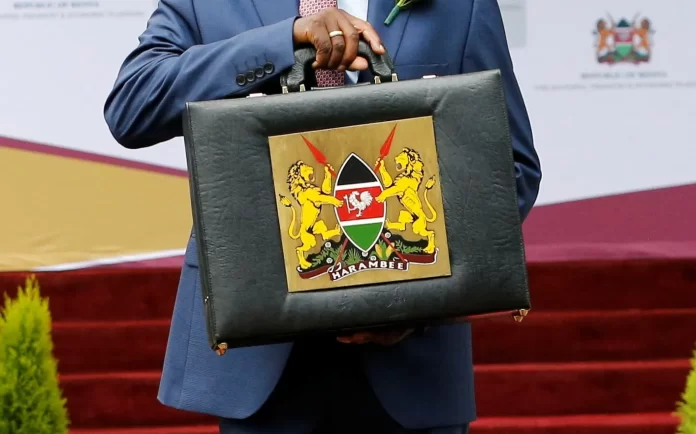
Kenya’s proposed Finance Bill 2026 signals a sweeping shift in the tax obligations of Savings and Credit Cooperative Societies (Saccos), touching everything from the digital infrastructure that powers mobile banking to the compliance timelines that govern financial reporting, with most provisions set to take effect on July 1, 2027.
The bill, tabled in the National Assembly in late April 2026 and currently open for public participation, proposes amendments to the Income Tax Act (Cap. 470), the Value Added Tax Act (Cap. 476), the Excise Duty Act (Cap. 472), and the Tax Procedures Act (Cap. 469B).
Saccos that have embraced digital and card-based financial services face some of the most immediate implications. The bill expands the definition of “management or professional fee” to include interchange fees and merchant service fees arising from card transactions, potentially subjecting the technical costs Saccos incur in processing member payments via debit and credit cards to new withholding tax obligations.
The definition of “royalty” has also been comprehensively redrafted. The revised definition now captures payments for the use of any software, whether proprietary or off the shelf, including fees described as licence, development, training, maintenance or support charges. Payments made to access proprietary digital platforms, payment networks, payment card schemes, switching systems, clearing systems and settlement systems are also now classified as royalties, regardless of whether the fees are periodic or transaction-based. For Saccos running core banking platforms and integrated payment systems, this expansion could significantly raise the cost of digital operations.
ALSO READ:
Exporters decry high cost of production, call for reduction of tariffs to boost trade
The bill also significantly tightens administrative compliance timelines. The deadline for filing income tax returns will be shortened from six months after the end of the year of income to the last day of the fourth month following the end of that year. Where the tax payable is nil, taxpayers, including Saccos, will be required to file nil returns within one month following the end of the relevant year of income. Saccos that also employ staff will additionally need to review their gratuity structures, as the bill introduces new conditions governing the tax treatment of gratuity contributions.
As the Sacco sector continues to anchor financial inclusion across Kenya, the cumulative effect of these proposals spanning digital operations and compliance timelines will likely prompt a re-evaluation of operational budgets and internal systems ahead of the bill’s proposed implementation dates of January 1, 2027, for select provisions and July 1, 2027, for all remaining sections.
By Benedict Aoya
Get more stories from our website: Sacco Review.
For comments and clarifications, write to: Saccoreview@
Kindly follow us via our social media pages on Facebook: Sacco Review Newspaper for timely updates
Stay ahead of the pack! Grab the latest Sacco Review newspaper!