
Entrepreneurs across Kenya are being pressed to embrace innovation, forge partnerships, and rethink business models as the key to unlocking the full potential of the country’s small and medium‑sized enterprises (SMEs), a sector that remains central to job creation and economic growth despite mounting financial pressures.
Industry stakeholders warn that without adaptation, many SMEs risk collapse in an environment marked by rising operating costs, expensive credit, and constrained consumer spending.
The renewed calls come against persistent concerns over the high failure rate among small businesses. Reports show that many SMEs in Kenya do not survive beyond their first year due to limited financing, poor market access, and operational challenges. Stakeholders argue that resilience, strategic partnerships, and innovation could help reverse this trend and strengthen the sector’s long‑term sustainability.
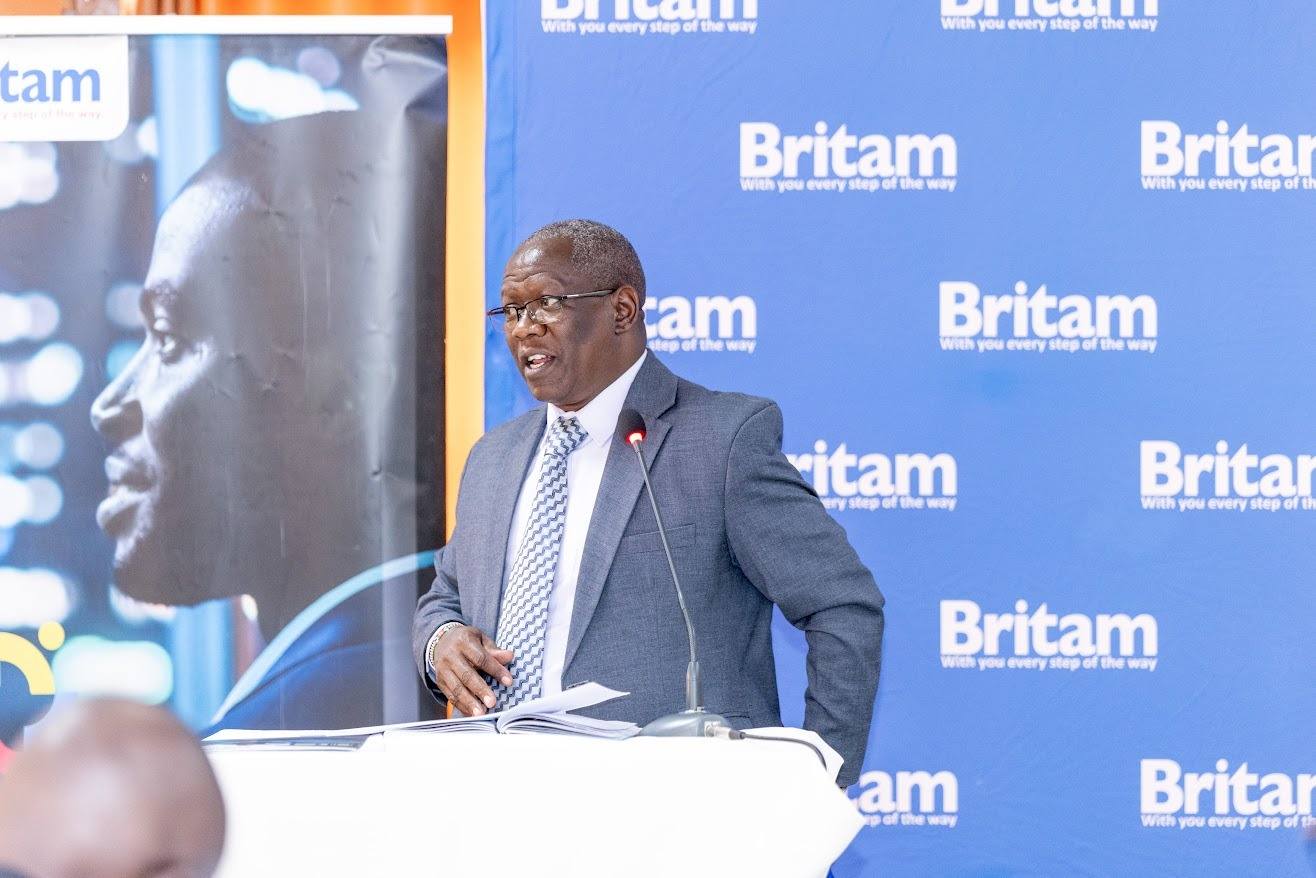
These discussions took centre stage at the Britam Biashara Network forum held in Thika, where more than 100 SMEs gathered to explore strategies for resilience and expansion. The forum, themed “Unlocking SME Potential and Growth in Kenya: Profits Under Pressure”, brought together entrepreneurs, financial experts, and development partners to deliberate on the changing business landscape and the role of collaboration in supporting enterprise growth.
Speakers noted that while many businesses are grappling with rising costs of production and weaker consumer demand, opportunities still exist for enterprises willing to adjust their business models and invest in long‑term strategies. Britam Chief Operating Officer Leonard Chirchir emphasised that SMEs remain central to Kenya’s economic transformation and job creation agenda. “At Britam, we are proud to walk this journey with SMEs by providing solutions that not only protect their businesses today, but also secure a better tomorrow for generations to come,” he said.
ALSO READ:
Finance Bill 2026 to shake up Sacco digital costs and tax deadlines
Data from the Kenya National Bureau of Statistics (KNBS) shows that Kenya hosts more than 7.4 million MSMEs employing over 14.9 million people. The sector contributes between 30 and 34 percent of the country’s Gross Domestic Product and accounts for more than 90 percent of private enterprises nationwide.
Chief Guest James Muriithi, CEO of Savannah Mabati Ltd, urged businesses to embrace innovation, partnerships, and technology adoption to remain competitive.
“Profits may be under pressure, but opportunity is not lost. The businesses that will define Kenya’s future are those willing to adapt, invest in relationships, embrace technology, and remain consistent even in difficult seasons,” he said. He stressed that SMEs are not minor players but the engine that powers Kenya’s growth story.
Participants agreed that collaboration, innovation, and resilience will be critical in helping SMEs navigate the current economic climate. SMEs were challenged to rethink their strategies, invest in technology, and build partnerships that can sustain growth even in challenging times.
By Masaki Enock
Get more stories from our website: Sacco Review.
For comments and clarifications, write to: Saccoreview@
Kindly follow us via our social media pages on Facebook: Sacco Review Newspaper for timely updates
Stay ahead of the pack! Grab the latest Sacco Review newspaper!